Dr. Stan A. Toler’s Book “Stan Toler’s Practical Guide for Pastoral Ministry”: When Practical Ministry Needs a Shepherd
Stan Toler’s practical approach to pastoral ministry is useful precisely because ministry involves real people and real responsibilities. But practical ministry still needs a shepherding center, and Scripture points beyond management to Christ, the Chief Shepherd.
Dr. John A. Knight’s Book “In His Likeness”: What If Holiness Is Meant to Be Recognizable?
John A. Knight’s In His Likeness raises a searching question: if God is restoring His image in us, should holiness become recognizable in ordinary Christian life?
Dr. Carla D. Sunberg and the Book “Reclaiming Eve”: The Question About Women in Ministry That Begins Before Ministry
Reclaiming Eve asks us to begin the conversation about women in ministry before the pulpit—with creation, identity, vocation, Scripture, and the redemptive work of Christ.
Eleven Books I Have Read, Eleven General Superintendents I Have Encountered on Paper, and the Christian Questions They Leave Behind
Eleven books by Nazarene general superintendents open a much larger conversation about Christian living, holiness, pastoral ministry, mission, globalization, women in ministry, and faithful Christian witness.
After Reading Embracing Exile by Dr. T. Scott Daniels, I Keep Asking This Question

After reading Embracing Exile by T. Scott Daniels, I keep returning to one question: what kind of Christians will we become when cultural influence is uncertain?
What I Learned From Embracing Exile by Dr. T. Scott Daniels

Embracing Exile helped me see Christian faithfulness differently: when cultural influence becomes uncertain, the deeper question is who we are called to be.
If You Have Not Read Embracing Exile by Dr. T. Scott Daniels, Here Is Why I Think You Should
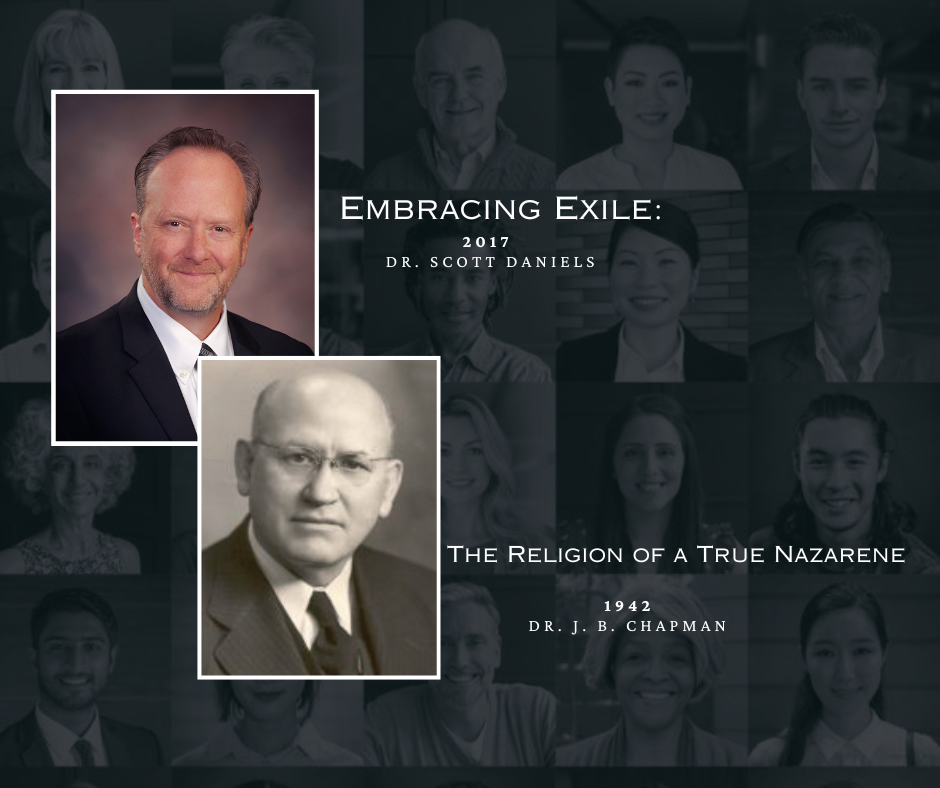
Embracing Exile by T. Scott Daniels asks what Christian faithfulness looks like when Christianity no longer feels culturally central. I think the book is worth reading because it turns cultural discomfort into a deeper question about identity, holiness, presence, and mission.
Six Things 1915 Was Doing at Once
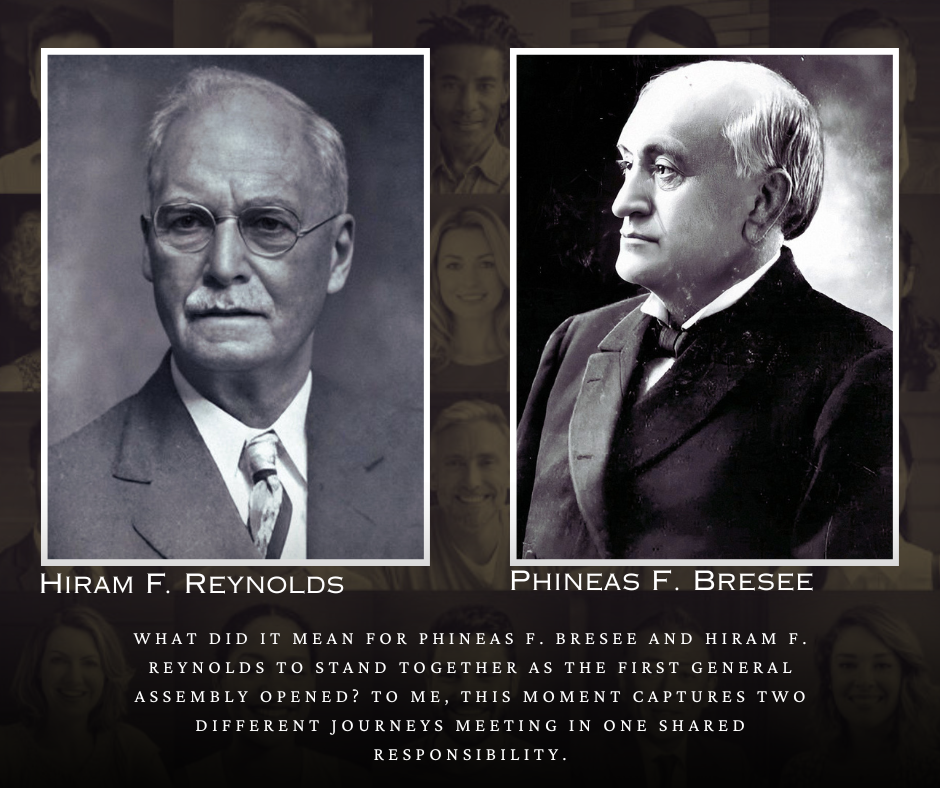
1915 was more than a year of loss in Nazarene history. Missions expanded, leadership structures changed, women’s missionary work gained wider organization, education continued, and ordinary church life carried on while Bresee and Wilson died within weeks of one another.
The Question Behind Bresee’s Last Assembly

Bresee’s final General Assembly was more than a meeting remembered because of his death. It was a moment when a young Nazarene denomination was expanding its mission and reshaping its leadership for the future.
The Two Empty Chairs of 1915
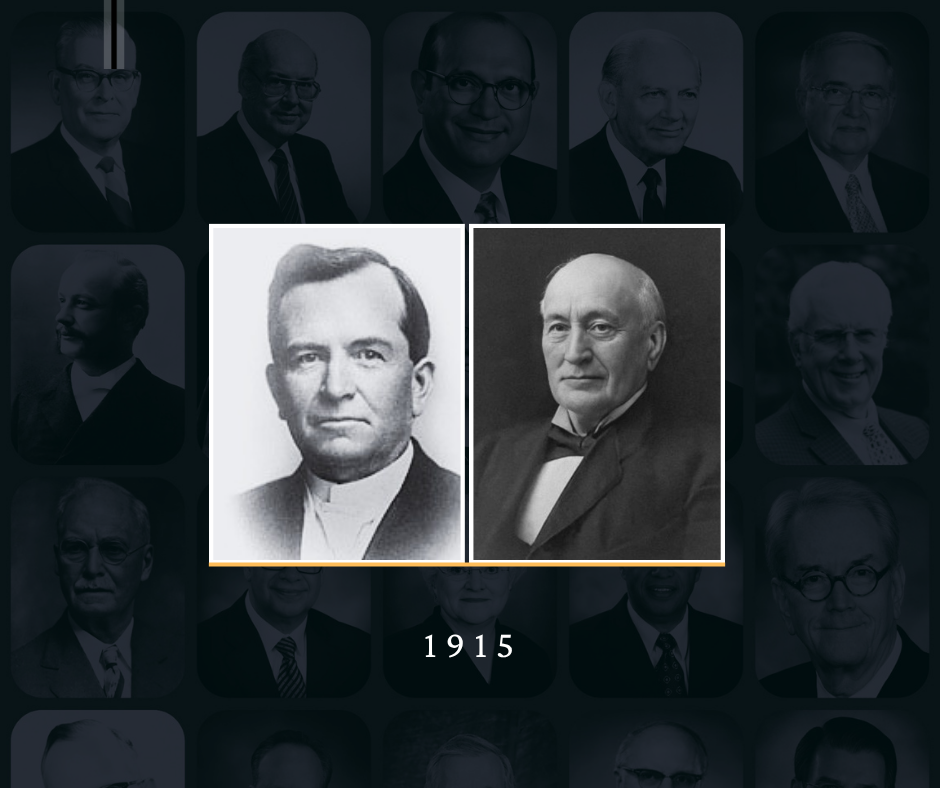
In 1915, the young Church of the Nazarene was expanding its mission while losing two general superintendents. The empty chairs reveal both the pain of leadership loss and the deeper foundation of the church.